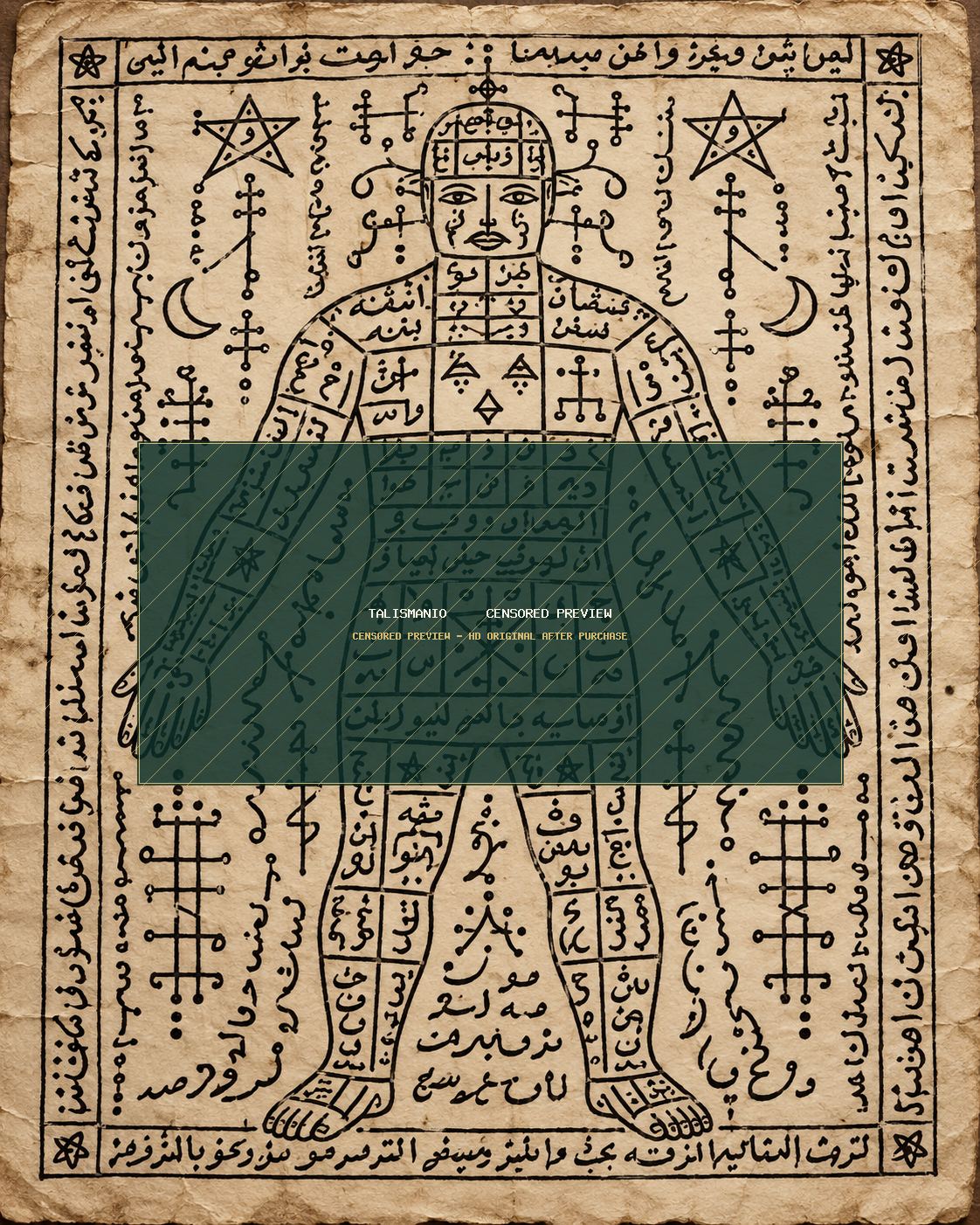
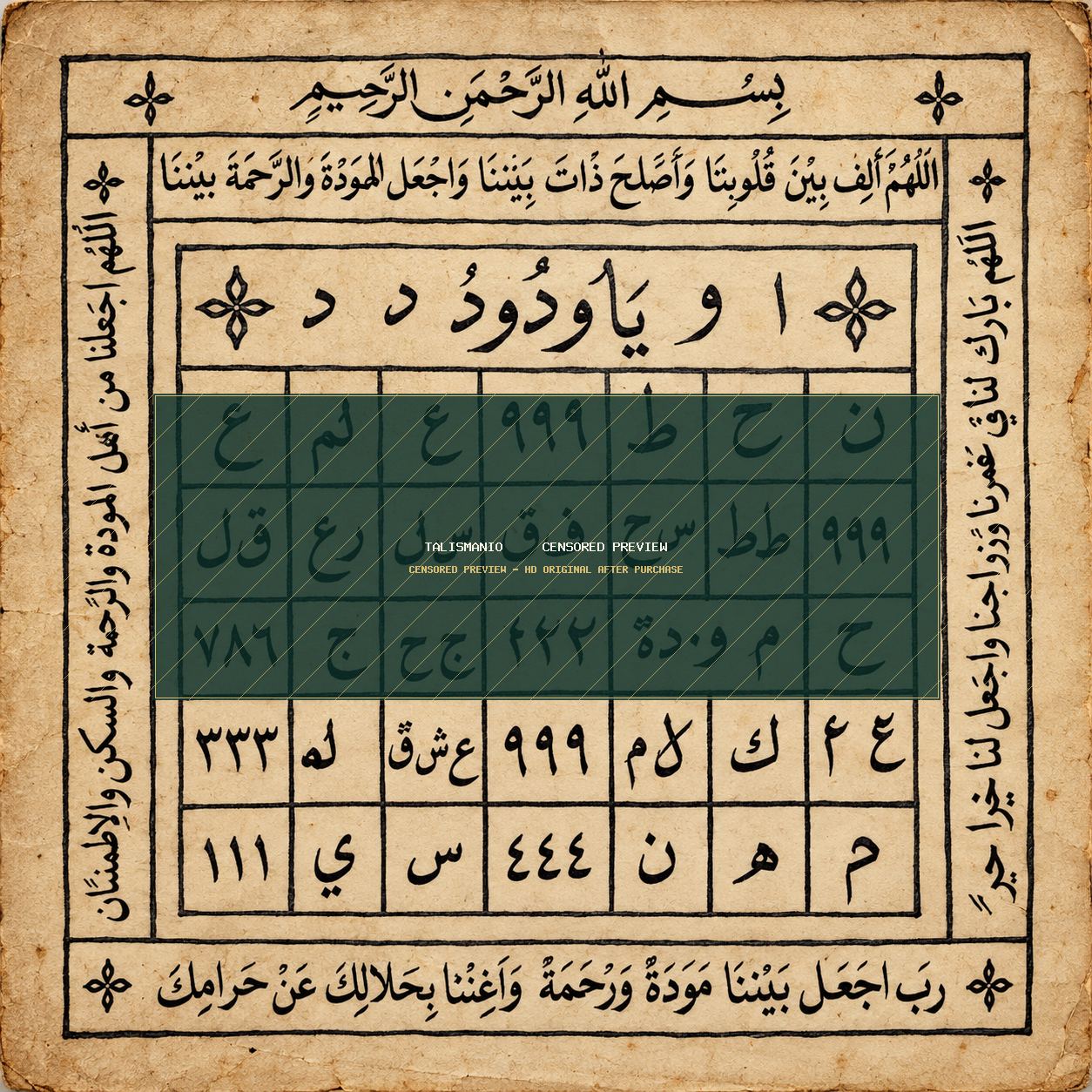
A taweez (also written tabeez, taʿwīdh or ta’wiz in English) is a general word used in many communities for a written or enclosed amulet. Depending on region, family tradition and language, the term can refer to a folded paper, a metal case, a written prayer, a number-and-letter square, a protective inscription, or a small object carried close to the body. Online searches often overlap with words such as naqsh, naksh, talisman, amulet and spiritual charm, even though those words can have different histories and meanings.
Traditional-looking taweez designs commonly use Arabic letters, names, numerals, geometric grids, calligraphic lines and repeated symbols. Some are kept in a wallet or pouch, some are placed in a room, and some are folded into a protective case. The physical form matters to collectors because the object is meant to be handled, stored and kept private rather than viewed only as a large decorative print.
Digital taweez and printable naqsh files are a modern format. A buyer receives a high-resolution image or PDF, prints it at home or at a print shop, trims it to the desired size and chooses how to keep it. Wallet-size printing is popular because it creates a discreet card. Larger printing works for a frame, bedside area, journal or private shelf.
When comparing listings, look for clear file details, actual dimensions, print quality, the difference between digital and handwritten physical options, and accurate descriptions of the design. A premium digital listing should explain exactly what files are included. A made-to-order physical listing should explain materials, preparation time, personalization and shipping.
Talismanio organizes taweez and naqsh by intention so visitors can compare love, marriage, protection, prosperity and confidence designs without having to understand every historical term first. Use the related products below to compare a classic protection-style naqsh with an older manuscript-inspired naksh format.